firstlithonia

Uncategorized

Uncategorized

Recognizing the Quiet Storm: Burnout Warning Signs You Shouldn’t Ignore

Burnout doesn’t always show up loudly. It can sneak in while you’re powering through deadlines, caring for others, or constantly putting yourself last. Knowing the burnout warning signs early can help you take a step back before things spiral. 1. Constant Exhaustion Feeling tired after a busy day is normal, but burnout-level exhaustion doesn’t fade with rest. If you’re waking up tired, dragging through the day, or always running on empty, your body could be sounding the alarm. 2. Detachment and Isolation When burnout sets in, things you once enjoyed may start to feel like chores. You might pull away from loved ones or stop engaging in hobbies and social activities. Pay attention if you’re avoiding people or dreading daily interactions. 3. Decreased Performance Burnout often affects focus, memory, and productivity. If you’re struggling to complete tasks you once handled with ease or making more mistakes than usual, your mental reserves may be running low. 4. Emotional Overload or Numbness Mood swings, irritability, or feeling emotionally drained can all be burnout warning signs. On the flip side, some people feel emotionally flat or disconnected from their surroundings. Either extreme is worth paying attention to. 5. Physical Symptoms Burnout can manifest physically as headaches, stomach issues, insomnia, or a racing heart. These symptoms are your body’s way of telling you something’s wrong. Don’t push through without listening. Take the Signs Seriously Recognizing burnout warning signs is a powerful first step in protecting your health. Burnout doesn’t mean you’re weak; it means you’ve been strong for too long without proper rest and care. At First Lithonia Medical Center, we understand the weight you carry. If you’ve been feeling off, overwhelmed, or exhausted, it’s time for a check-in with yourself and your doctor. We’re here to help you reset, recover, and return to feeling your best. If you want to read our last blogpost, click on this link: Happy Mother’s Day: Five Health Tips Every Supermom Deserves – First Lithonia Medical Center. To book an appointment with us, click on this link: healow – Health and Online Wellness. We care more because you deserve more.


Uncategorized

Happy Mother’s Day: Five Health Tips Every Supermom Deserves

Mother’s Day is more than flowers and brunch; it’s a chance to celebrate the powerful, selfless women who keep everything running. While you’re busy caring for others, it’s easy to put your health on the back burner. This Mother’s Day, we’re encouraging every mom to prioritize her well-being with simple, lasting habits. Here are five health tips just for you, supermom. 1. Keep Up with Routine Checkups Preventative care is essential. Regular screenings, wellness visits, and physical exams help catch issues early and keep you on top of your health. Your body carries so much each day, show it the same care you give to your loved ones. 2. Nourish Your Body with Intention It is easy to skip meals or grab something quick when you are managing a busy household. But real nourishment matters. Try adding more fruits, vegetables, whole grains, and lean proteins to your meals. A well-fed body is a more energized and focused one. 3. Move Your Body, Your Way Exercise doesn’t need to be a chore. Whether it’s dancing to your favorite playlist, walking with your kids, or stretching before bed, moving your body helps relieve stress and boosts your mood. Make movement something you look forward to not something you dread. 4. Protect Your Peace Motherhood can be emotionally heavy. Stress, anxiety, and burnout are real. Make mental wellness part of your daily routine. Deep breathing, journaling, or just five quiet minutes alone can make a huge difference. Let this Mother’s Day be your reminder to protect your peace. 5. Get Consistent, Restful Sleep Quality sleep is not a luxury; it’s essential. Set a calm bedtime routine, turn off devices early, and make your bedroom a peaceful space. When you sleep well, you feel better, think clearer, and have more patience for all life throws at you. Conclusion This Mother’s Day, honor your health as much as your heart. These five simple tips are small steps toward a stronger, happier you. To every mom out there: you are seen, you are appreciated, and you are worthy of care; today and every day. If you want to read our last blogpost, click on this link: Five Ways to Prepare for Your Next Doctor’s Visit – First Lithonia Medical Center. To book an appointment with us, click on this link: healow – Health and Online Wellness.

Uncategorized

Five Ways to Prepare for Your Next Doctor’s Visit

Your health is one of your greatest assets, and making the most of your time at the doctor’s office starts with preparation. Whether you’re managing a chronic condition or going in for a routine check-up, a little planning can make your visit smoother and more effective. At First Lithonia Medical Center, we encourage patients to use a doctor appointment checklist to feel more confident and get the care they deserve. Here are five simple ways to prep before your next visit: 1. Write Down Your Concerns Jot down any symptoms, questions, or health changes you’ve noticed since your last visit. Be as specific as possible; mention when a symptom started, how often it happens, and what makes it better or worse. This helps your provider diagnose accurately and prioritize your concerns during the visit. 2. Bring a List of Medications Don’t forget to list all medications you’re currently taking, including over-the-counter supplements. Include dosages and how often you take them. This avoids potential drug interactions and ensures your treatment plan stays on track. 3. Update Your Family History Your family’s medical history can reveal patterns that may impact your own health risks. Before your appointment, ask relatives about any diagnoses or major health events. This helps your provider make informed decisions, especially about screenings or preventative care. 4. Review Your Lifestyle Habits Think about your sleep, exercise, stress levels, and diet. These lifestyle factors play a big role in your overall wellness. Being honest about your habits helps your doctor support your health goals, not just treat symptoms. 5. Use a Doctor Appointment Checklist A doctor appointment checklist keeps you organized so you don’t forget to mention anything important. You can create your own or download one from a trusted healthcare provider. Having it with you at the visit can make your conversation with your doctor more focused and productive. At First Lithonia Medical Center, we want every patient to feel empowered and informed. Using a doctor appointment checklist is a small step that makes a big difference in your care. Walk-ins are welcome, and we’re here to support you every step of the way. To book an appointment with us, click on this link: healow – Health and Online Wellness. To read our last blog post on health lessons to take from 100 men vs. a gorilla, click on this link: Health Lessons from Gorilla vs 100 Men: What Really Matters – First Lithonia Medical Center.

Uncategorized

Health Lessons from Gorilla vs 100 Men: What Really Matters

The viral “gorilla vs 100 men” debate is all over social media, but behind the memes and hypotheticals are deeper insights we often overlook. At First Lithonia Medical Center, we believe there are valuable health lessons from gorilla vs. 100 men that apply to everyday life, especially when it comes to how we view strength and wellness. 1. Strength Isn’t Just Physical The first takeaway? Real health isn’t about brute force. You don’t need the muscles of a gorilla to stay strong—you need consistent energy, mental clarity, and preventive care. Many people walk around tired, stressed, and overwhelmed. These are signs of burnout or deeper issues. One of the most important health lessons from Gorilla vs. 100 Men is recognizing that physical strength is only part of the picture. 2. Teamwork Is Everything In the hypothetical match-up, even 100 people would struggle without a plan. Your body is the same way; when systems like your heart, lungs, immune system, and mental health work together, you thrive. Regular check-ups help keep all of these areas aligned. Holistic care leads to stronger overall health. 3. Strategy Beats Size The gorilla might be powerful, but the men could win with the right coordination. Likewise, you don’t need extreme workouts or diets, you need a smart, sustainable health plan. Wellness starts with realistic steps: balanced meals, hydration, rest, and support from your primary care team. 4. Prevention Is Real Power Waiting until there’s a problem puts you at a disadvantage. Instead of reacting to illness or stress, we help patients build strength through labs, screenings, and personalized care. One of the core lessons from a gorilla vs. 100 men debate is that prevention beats reaction every time. 5. Daily Habits Win Long-Term Battles Health isn’t a one-time fight. It’s daily. While the internet loves a quick challenge, your wellness journey takes consistency. The best strength isn’t flashy; it’s showing up for yourself, every day. We’re here to guide that journey. Want to build lasting strength and avoid burnout? Let’s focus on what really matters: your health. Visit First Lithonia Medical Center today for care that helps you win the battles that count. To book an appointment with us, click on this link: healow – Health and Online Wellness. To read our last blogpost on the connection between self care and longevity, click on this link: The Connection Between Self-Care and Longevity – First Lithonia Medical Center.

Uncategorized

The Connection Between Self-Care and Longevity

Living longer isn’t just about genetics; it’s about how you treat your body and mind each day. At First Lithonia Medical Center, we’ve seen firsthand how practicing healthy lifestyle habits can lead to a longer, fuller life. Self-care is more than the occasional bubble bath or spa day. It’s the small, consistent actions, like eating balanced meals, getting enough sleep, staying hydrated, and moving your body regularly, that make the biggest impact over time. These healthy lifestyle habits help reduce your risk of chronic illness, boost your mood, and support a stronger immune system. Mental and emotional health also play a major role in longevity. Managing stress, setting boundaries, and taking time to rest and recharge are just as important as physical care. When your mind is well, your body often follows. Don’t forget preventive care. Staying current on wellness visits, screenings, and vaccinations helps catch issues early, before they turn into bigger health problems. And here’s the truth: self-care looks different for everyone. It could be a daily walk, time in nature, journaling, connecting with loved ones, or simply saying “no” to things that drain your energy. What matters most is that your routine supports your well-being and feels sustainable. At First Lithonia Medical Center, our team is committed to helping you create a plan that works for your unique needs. We know that building healthy lifestyle habits now can add quality years to your life down the road. Ready to start your journey to better health? We’re here for you, whether you need guidance, motivation, or a simple checkup to get back on track. To read our previous post on mindful eating, click on this link: Mindful Eating = A Healthier Mind – First Lithonia Medical Center. To book an appointment with us, click on this link: healow – Health and Online Wellness.

Uncategorized

Mindful Eating = A Healthier Mind

Let’s be real, most of us eat on autopilot. We scroll through our phones, watch TV, or work while we eat, barely noticing what (or how much) we’re consuming. I get it; life is busy. But what if I told you that simply paying more attention to your meals could boost not just your digestion but also your mental well-being? Mindful eating is a small habit that creates a big ripple effect. It’s not about dieting or restriction; it’s about being present. When we tune into our meals, we tune into our bodies. And that makes all the difference. Just like following the twists and turns of the NBA playoff bracket, mindful eating is about paying attention to the details. 1. Slow Down at Meals When we rush through meals, our brain doesn’t get the memo that we’re full. Slowing down allows us to actually taste our food, feel satisfied, and stop eating before we’re stuffed. Chew slowly, take breaks between bites, and put your fork down every now and then. This simple habit helps prevent overeating and supports better digestion. 2. Listen to Your Body Mindful eating is all about awareness. Ask yourself, “Am I actually hungry?” before reaching for a snack. And during meals, notice how your body feels. Are you starting to feel full? Are you still enjoying the taste? Tuning into these signals helps you eat just enough, not too much, and it builds a better connection with your body’s needs. Think of it like watching the NBA playoff bracket unfold; you don’t want to miss the key moments. 3. Eliminate Distractions While Eating Eating in front of a screen is the quickest way to overeat without even realizing it. Try turning off the TV, putting your phone down, and just focusing on your meal. Not only will you enjoy your food more, but you’ll also feel more satisfied and less likely to crave snacks later. 4. Portion Your Food Mindfully It’s easy to overdo it when we’re eating straight from a bag or cooking pot. Instead, try portioning your meals before you start eating. Use smaller plates, serve reasonable portions, and resist the urge to go back for seconds immediately. Give your body a chance to register fullness first. Conclusion Mindful eating isn’t about being perfect. It’s about slowing down, paying attention, and caring for yourself in the most basic way: through food. You don’t have to change everything overnight. Start small. Pick one mealtime to practice being present. Your body and mind will thank you, and over time, you’ll feel the shift in both your physical and mental health. Just like following your favorite team’s journey on the NBA playoff bracket, consistency and attention make all the difference. To read our previous post on understanding your blood pressure, click on this link: Understanding Blood Pressure: What the Numbers Really Mean – First Lithonia Medical Center. To book an appointment with us, click on this link: healow – Health and Online Wellness.

Uncategorized

Understanding Blood Pressure: What the Numbers Really Mean

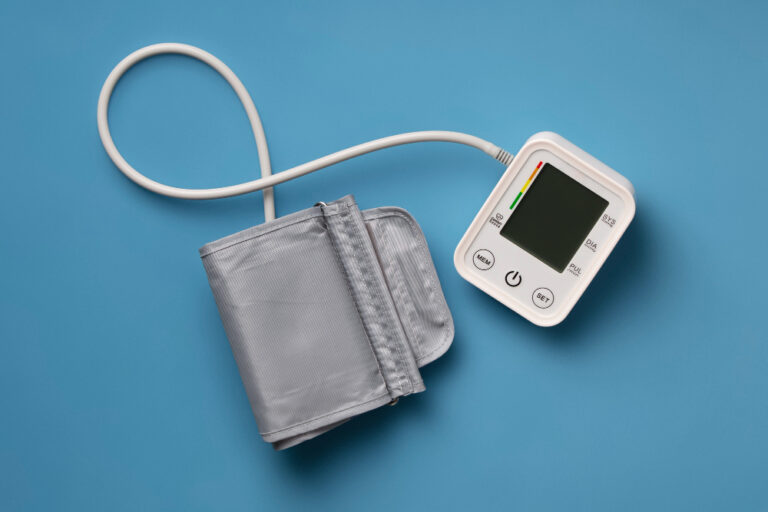
Your blood pressure offers important clues about the health of your heart and arteries. While it’s often checked during routine visits, many people don’t fully understand what those numbers mean. Let’s break it down so you can take control of your heart health. What Do the Numbers Mean? Blood pressure is measured using two numbers: systolic (top) and diastolic (bottom). Systolic measures the pressure in your arteries when your heart beats. Diastolic measures the pressure when your heart rests between beats. A typical healthy reading is around 120/80 mm Hg. Readings above or below this can point to potential concerns. Why Blood Pressure Matters Understanding blood pressure is crucial because both high and low levels can lead to serious issues. High blood pressure (hypertension) increases your risk of heart disease, stroke, kidney damage, and more. Low blood pressure can lead to dizziness, fatigue, and even fainting spells if the brain isn’t receiving enough blood flow. What Affects Your Blood Pressure? Many everyday factors influence your readings: your diet, stress levels, activity, and even the time of day can affect results. That’s why doctors often monitor your blood pressure over time instead of relying on just one reading. Tracking trends helps identify whether action is needed. How to Keep Blood Pressure in Check Understanding blood pressure also means knowing how to manage it. Eat a diet low in sodium and high in whole foods like fruits, vegetables, and lean proteins. Stay active, limit alcohol, avoid smoking, and manage stress through mindfulness or therapy. In some cases, medication may be required, but healthy lifestyle habits always make a difference. Understanding blood pressure empowers you to make informed decisions about your health. It helps you work alongside your doctor to identify risks early and take proactive steps. Don’t wait for symptoms—many people with high blood pressure feel just fine, making routine checks even more important. If it’s been a while since your last reading, now is a good time to check in. Understanding blood pressure today can lead to better heart health tomorrow. To read our last post on the link between sleep and stress management, click on this link: The Link Between Sleep & Stress Management – First Lithonia Medical Center. To book an appointment with us, click on this link: healow – Health and Online Wellness.

Uncategorized

The Link Between Sleep & Stress Management

Sleep and stress are closely connected, often forming a cycle that can either support or sabotage your well-being. When you’re well-rested, you’re better equipped to manage life’s daily pressures. But when you’re sleep-deprived, even small stressors can feel overwhelming. Understanding the link between the two can help you build habits that support both. How Sleep Affects Stress Sleep gives your body and mind time to recover. During deep sleep, your brain processes emotions and resets for the next day. Without enough rest, your stress hormone—cortisol—can remain elevated, which keeps your body in a constant “fight or flight” state. This can lead to increased anxiety, mood swings, and difficulty concentrating. Poor sleep also weakens your immune system, increases inflammation, and contributes to fatigue—all of which make it harder to cope with stress in a healthy way. How Stress Affects Sleep Just as sleep impacts stress, so does the latter affect the prior. When you’re stressed, your mind may race with worry, making it difficult to fall or stay asleep. Elevated cortisol levels at night interfere with your body’s ability to wind down, leading to lighter, more disrupted sleep. Chronic stress can also contribute to insomnia, nightmares, and poor sleep quality over time, which then worsens stress levels. It becomes a cycle that’s hard to break without intentional effort. Tips to Improve Both Sleep and Stress Conclusion Better sleep equals better stress management. By nurturing one, you naturally improve the other. Prioritize both for a healthier, more balanced life. To read our last post on how to improve your mental health, click on this link: How to Improve Your Mental Health – First Lithonia Medical Center. To book an appointment with us, click on this link: healow – Health and Online Wellness.

Uncategorized

How to Improve Your Mental Health

Maintaining good mental health is essential for overall well-being. Just like physical health, your mental well-being requires attention, care, and daily habits that support emotional resilience. Life’s challenges can take a toll, but adopting positive practices can make a significant difference. Here are five effective ways to improve your mental health. 1. Prioritize Self-Care Self-care isn’t just about relaxation—it’s about taking intentional steps to nurture your mind and body. Getting enough sleep, eating nutritious foods, and engaging in activities you enjoy can boost your mood and energy levels. Even setting aside just 15 minutes a day for something that brings you joy can have a lasting impact on your mental health. 2. Stay Physically Active Exercise isn’t only for physical fitness—it also plays a crucial role in mental well-being. Physical activity releases endorphins, which help reduce stress and anxiety. Whether it’s a brisk walk, yoga, or dancing to your favorite music, moving your body can improve your mood and help clear your mind. Finding a routine that works for you can enhance both your physical and mental health. 3. Build Strong Relationships Social connections are vital for emotional support and overall happiness. Spending time with loved ones, talking to a friend, or joining a community group can help you feel connected and valued. If you’re struggling, don’t hesitate to reach out—having a support system is key to maintaining good mental health. Meaningful interactions can provide comfort, reduce stress, and improve your sense of belonging. 4. Practice Mindfulness and Stress Management In today’s fast-paced world, stress is inevitable. However, managing it effectively can make a difference. Practicing mindfulness, meditation, or deep breathing exercises can help calm your mind and keep stress levels in check. Journaling your thoughts or setting aside quiet time for yourself each day can also help you gain clarity and reduce mental fatigue. Taking moments to pause and reflect can improve your overall mental health. 5. Seek Professional Help When Needed There’s no shame in seeking help when you need it. Therapy, counseling, or talking to a trusted professional can provide guidance and coping strategies. Mental health conditions, like anxiety or depression, are treatable, and seeking support early can prevent them from worsening. Remember, taking care of your mental health is just as important as taking care of your physical health. Conclusion Improving your mental health doesn’t happen overnight, but small, consistent steps can lead to long-term benefits. Prioritizing self-care, staying active, nurturing relationships, managing stress, and seeking professional help when necessary can all contribute to a healthier and happier mind. Taking care of your mental health allows you to handle challenges with resilience and embrace life with positivity. Start with one step today, and your future self will thank you! To read our last post on foods that boost your brain health, click on this link: Boost Your Brainpower: The Best Foods for Brain Health – First Lithonia Medical Center. To book an appointment with us, click on this link: healow – Health and Online Wellness.

Uncategorized

Boost Your Brainpower: The Best Foods for Brain Health

Your brain is the command center of your body, controlling everything from memory and emotions to movement and decision-making. Just like the rest of your body, your brain needs proper nourishment to function at its best. A diet rich in brain-boosting foods can help improve focus, memory, and overall cognitive health. Here are some of the best foods to support brain function: 1. Fatty Fish Fatty fish like salmon, trout, and sardines are packed with omega-3 fatty acids, which are essential for brain health. Omega-3s help build brain cells, reduce inflammation, and support memory and learning. Studies show that people who consume omega-3-rich foods regularly have a lower risk of cognitive decline. 2. Blueberries Blueberries are loaded with antioxidants, which protect the brain from oxidative stress and inflammation. These tiny berries also improve brain communication, potentially delaying age-related cognitive decline. Try adding them to smoothies, yogurt, or oatmeal for a delicious brain boost. 3. Nuts and Seeds Almonds, walnuts, and flaxseeds provide a great source of vitamin E, an antioxidant that helps prevent cognitive decline as you age. Walnuts, in particular, are rich in omega-3s, making them an excellent snack for brain health. 4. Dark Chocolate Good news for chocolate lovers! Dark chocolate contains flavonoids, caffeine, and antioxidants, all of which enhance brain function. Flavonoids, in particular, help improve blood flow to the brain, boosting memory and focus. Just be sure to choose dark chocolate with at least 70% cocoa for the most benefits. 5. Leafy Greens Spinach, kale, and other leafy greens are full of vitamin K, lutein, and folate, which support brain function and slow cognitive decline. Adding a daily serving of greens to your diet can improve mental sharpness and overall brain health. 6. Eggs Eggs are rich in choline, a nutrient that supports brain development and neurotransmitter function. They also contain B vitamins, which help reduce brain fog and support mental clarity. 7. Turmeric This powerful spice contains curcumin, which has been shown to boost mood, improve memory, and stimulate the growth of new brain cells. Adding turmeric to soups, teas, or curries is an easy way to support brain health. Eat for a Sharper Mind A healthy diet plays a crucial role in maintaining brain function and preventing cognitive decline. By incorporating these brain-boosting foods into your meals, you can keep your mind sharp, focused, and healthy for years to come! To read our last blogpost on superfoods that boost your immune system, click on this link: Superfoods That Boost Your Immune System – First Lithonia Medical Center. To book an appointment with us, click on this link: healow – Health and Online Wellness

Scroll to Top