firstlithonia

Uncategorized

Health, Uncategorized

How Screen Time Affects Your Sleep

In today’s digital world, technology plays a central role in daily life, but increased screen time, especially before bed, can severely impact sleep quality. Studies show that prolonged screen exposure affects the body’s natural sleep rhythms and disrupts the sleep-wake cycle, leaving many feeling less rested and even sleep-deprived. One of the main culprits is blue light emitted from devices like phones, tablets, and computers. Research from Harvard Medical School indicates that blue light suppresses melatonin, a hormone essential for sleep, more than any other type of light. In a study conducted by Harvard, participants exposed to blue light had melatonin levels decrease twice as much as those exposed to dim light, resulting in delayed sleep and reduced sleep quality. Over time, this disruption can lead to more significant health issues, such as sleep disorders and increased risk for depression. In addition to blue light, the mental stimulation from using technology before bed can make it harder to fall asleep. Engaging in social media, playing games, or watching videos keeps the brain active, tricking it into staying alert rather than winding down. So don’t let watching the warriors vs celtics game keep your brain active and stimulated! The National Sleep Foundation suggests avoiding screen time at least an hour before bed to allow the brain to transition into a restful state. A study from the University of California, Irvine, found that people who cut down screen time before bed reported improved sleep quality and greater alertness the next day. Chronic sleep deprivation from excessive screen time can negatively impact physical health, with connections to obesity, heart disease, and weakened immunity. The American Heart Association has linked poor sleep habits with a higher risk of cardiovascular issues, due in part to the increased stress levels associated with sleep disruption. Prioritizing screen-free time in the evening can help regulate circadian rhythms, supporting overall health and well-being. To improve sleep quality, consider reducing evening screen time, using “night mode” on devices to reduce blue light, or wearing blue light-blocking glasses. Adopting a regular pre-sleep routine with minimal screen exposure can support melatonin production and enhance sleep quality. In summary, cutting down screen time before bed can lead to better sleep and overall health. A well-rested mind and body are essential for productive days—so make reducing evening screen time part of your health routine today! To book an appointment with us, click on this link: healow – Health and Online Wellness. To read our last blogpost on why annual health checkups are important, click on this link: Why Annual Health Checkups Are Essential for Your Well-being – First Lithonia Medical Center.


Uncategorized

Why Annual Health Checkups Are Essential for Your Well-being

In today’s busy world, many people only see a doctor when they’re feeling unwell. However, annual health checkups are an essential part of maintaining good health. These preventive visits can help identify potential health issues before they become serious, allowing you to stay in control of your health. Regular health checkups help catch diseases early. For example, conditions like high blood pressure, diabetes, and certain cancers often have no early symptoms. By undergoing routine screenings, you increase the chance of early detection, which often leads to better treatment outcomes. Early intervention can be life-saving and much less costly than treating advanced health problems. During an annual checkup, your doctor can provide tailored advice for your lifestyle. This may include guidance on diet, exercise, and stress management that suits your specific needs. They can also assess family history to suggest additional screenings or lifestyle changes. Personalized advice can make it easier to reach your health goals, especially when you have professional support. Vaccinations are not just for children. Adults need to stay updated on immunizations to protect against diseases like the flu, pneumonia, and even shingles. Your annual checkup is a convenient time to review your immunization record and make sure you’re up-to-date on necessary vaccines. Consistent checkups with the same healthcare provider allow you to build a comprehensive health history. This record gives your doctor a clearer picture of your health over time, enabling them to make better-informed decisions. Health records are invaluable when it comes to managing long-term conditions or planning treatments. Schedule your annual checkup to stay on top of your health. It’s a simple but powerful step toward a healthier, happier life. Click on the link provided to book an appointment with us today! healow – Health and Online Wellness. To read our last blogpost on the importance of healthy lungs, click on this link: healow – Health and Online Wellness

Uncategorized

The Importance of Healthy Lungs: Three Tips to Improve Lung Health

Our lungs play a vital role in keeping us alive by delivering oxygen to our bodies and removing carbon dioxide. Without healthy lungs, our ability to perform even simple tasks like walking, talking, or exercising would be significantly diminished. Many factors, such as pollution, smoking, and poor lifestyle habits, can impair lung function, making it crucial to prioritize lung health. Healthy lungs not only improve physical endurance but also enhance our overall quality of life. October is healthy lung month, so maintaining healthy lungs should be a priority. Here are three essential tips to help you improve and protect your lung health: 1. Avoid Smoking and Second-hand Smoke Smoking is the leading cause of lung diseases, including chronic obstructive pulmonary disease (COPD) and lung cancer. Cigarette smoke contains harmful chemicals that damage the airways and lead to inflammation, making it harder to breathe over time. Even if you don’t smoke, exposure to secondhand smoke can be just as damaging to your lungs. Quitting smoking or avoiding secondhand smoke is one of the most effective ways to keep your lungs healthy. If you’re looking to quit, seek support from healthcare providers or cessation programs that can help you through the process. Exercise isn’t just beneficial for your heart—it’s great for your lungs too. When you engage in physical activity, your lungs work harder to deliver oxygen to your muscles. This helps improve lung capacity and efficiency over time. Cardiovascular exercises like walking, swimming, and cycling are excellent ways to enhance lung function. Aim for at least 30 minutes of moderate exercise a day to strengthen your lungs and keep them healthy. Even if you start small, any physical activity that gets you moving will help improve your lung health. 3. Breathe Clean Air Air pollution and allergens can harm your lungs and reduce their ability to function properly. To protect your lungs, minimize exposure to polluted environments by staying indoors on high-pollution days, using air purifiers in your home, and keeping windows closed when pollution levels are high. Also, avoid inhaling harmful chemicals from household cleaners and industrial products. Choosing non-toxic products and ensuring good ventilation in your living spaces can help you breathe cleaner air and maintain healthy lungs. Healthy lungs are essential for living a full and active life. By avoiding harmful substances, exercising regularly, and breathing clean air, you can significantly improve your lung health and protect your respiratory system for years to come. Prioritizing lung health now will benefit you in the long run. To read our last blogpost on 3 tips to boost your mental health at work, click on this link: Three Tips to Boost Your Mental Health at Work – First Lithonia Medical Center. To book an appointment with us, click on this link: healow – Health and Online Wellness.

Uncategorized

Three Tips to Boost Your Mental Health at Work

With the fast pace and high demands of modern work environments, it’s no surprise that mental health challenges are becoming more prevalent in the workplace. As people spend a significant portion of their lives at work, the impact of stress, long hours, and pressure can take a toll on mental well-being. Recognizing this, it is essential to recognize the importance of “Mental Health at Work,” encouraging both employers and employees to foster a healthier, more supportive workplace. Here are three practical tips that can help improve your mental health while on the job. One of the simplest yet most effective ways to care for your mental health at work is by taking regular breaks. Sitting at your desk for long periods can lead to mental fatigue, which reduces productivity and increases stress levels. Studies show that short breaks throughout the day can improve focus and creativity. Take a 5-10 minute break every hour to stretch, go for a walk, or simply step away from your workspace. These moments of rest allow your mind to reset, helping you return to tasks feeling refreshed and more engaged. Even brief mental downtime can have a lasting positive effect on your well-being. In today’s hyper-connected world, it’s easy to blur the lines between work and personal life. However, constantly being plugged in can lead to burnout and mental exhaustion. Setting clear boundaries is essential for maintaining a healthy work-life balance. Avoid answering emails or checking work messages after hours, and designate time for yourself outside of work to unwind and recharge. Setting boundaries also includes saying “no” when you’re overwhelmed or need help with tasks. Prioritizing self-care and ensuring that work doesn’t spill over into personal time are crucial for protecting your mental health in the long term. Workplace relationships can play a major role in your mental well-being. Building a network of supportive colleagues can help reduce feelings of isolation and stress. Make an effort to foster open communication with your coworkers, whether it’s sharing challenges, seeking advice, or celebrating successes. A strong support system at work can make tough days more manageable, increase job satisfaction, and create a positive work culture. Don’t hesitate to reach out for help or lend a listening ear to others—sometimes, simply knowing you’re not alone can be incredibly powerful. Conclusion Taking care of your mental health at work is just as important as staying physically healthy. By incorporating simple practices like taking regular breaks, setting boundaries, and building supportive relationships with colleagues, you can significantly reduce stress and improve your overall well-being. A healthy workplace not only benefits individuals but also leads to increased productivity and job satisfaction. Remember, prioritizing mental health isn’t a luxury—it’s a necessity for long-term success and happiness at work. At First Lithonia Medical Center, we’re committed to helping you create a balanced, supportive environment where mental health is a priority. To book an appointment with us, click on the link provided: healow – Health and Online Wellness. To read our last blogpost on breast cancer awareness, click on this link: Breast Cancer Awareness: Early Detection Saves Lives – First Lithonia Medical Center.

Uncategorized

Breast Cancer Awareness: Early Detection Saves Lives

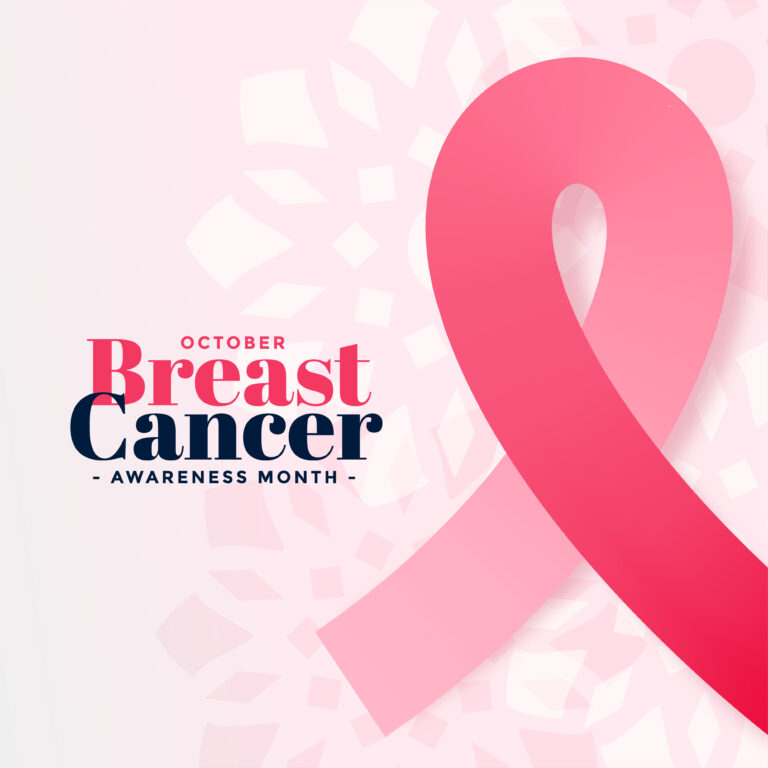
Breast cancer is one of the most common cancers affecting women worldwide, but early detection significantly increases the chances of successful treatment. During Breast Cancer Awareness Month, we are reminded of the importance of regular screenings, self-exams, and spreading knowledge about this disease. Understanding Breast Cancer Breast cancer occurs when abnormal cells in the breast grow uncontrollably, forming a tumor. While both men and women can develop breast cancer, it is far more common in women. Early-stage breast cancer often has no symptoms, which is why routine screenings are essential. As part of breast cancer awareness, it’s important to understand risk factors such as age, family history, and lifestyle choices, which can all play a role in the development of the disease. The Importance of Regular Screenings Mammograms are the gold standard for detecting breast cancer in its early stages, often before symptoms appear. Early detection gives patients a better chance of successful treatment and recovery. It’s recommended that women over 40 have yearly mammograms, but those with a family history of breast cancer may need to start screening earlier. Breast cancer awareness efforts focus on making sure women know the importance of scheduling these life-saving screenings. Self-Exams and Knowing the Signs While mammograms are vital, self-exams can also help women stay alert to changes in their breasts. By performing a monthly self-exam, women can detect lumps, skin changes, or other irregularities. Any unusual findings should be brought to a doctor’s attention right away. Breast cancer awareness isn’t just about prevention—it’s about empowering women to take an active role in their health. Supporting the Cause Breast cancer awareness isn’t only about educating individuals; it’s also about supporting ongoing research and ensuring access to care. Many organizations work tirelessly to raise funds for research, treatment advancements, and patient support services. By getting involved in awareness campaigns, whether through donations, volunteering, or participating in events like walks or fundraisers, we can all make a difference. Former Lakers player Jordan Hill became an ambassador for breast cancer awareness in 2014. Conclusion Breast cancer awareness is a critical effort to ensure that every woman has access to the education and healthcare resources needed to detect and treat breast cancer early. To schedule a breast cancer screening, click on this link: healow – Health and Online Wellness. To read our last blogpost on heart disease prevention, click on this link below: Heart Disease Prevention in Your 30s, 40s, and Beyond – First Lithonia Medical Center.

Uncategorized

Heart Disease Prevention in Your 30s, 40s, and Beyond

Heart disease remains one of the leading causes of death worldwide, but the good news is that it’s largely preventable. As you move through your 30s, 40s, and beyond, adopting healthy habits is essential for maintaining a strong heart. Here’s how you can focus on heart disease prevention at every stage of life. In your 30s, you may feel invincible, but this is the ideal time to build a foundation for long-term heart health. Regular exercise, a balanced diet, and routine checkups are crucial. It’s also important to manage stress, which can sneak up on you in this phase of life. Think about the stress of watching an intense match like the recent Steelers vs. Colts game—heart-pounding moments like these are fun in moderation, but chronic stress can have a lasting impact on your heart. Managing your stress levels early on will help you avoid long-term heart issues. By the time you hit your 40s, life may become even more hectic with career, family, and social responsibilities. This is also when high blood pressure, high cholesterol, and weight gain often start to appear. Staying physically active and eating heart-healthy foods can go a long way in controlling these risk factors. Make time for activities you enjoy, whether it’s jogging, yoga, or simply walking. Reducing processed foods and eating more fruits, vegetables, and whole grains will also protect your heart from long-term damage. In your 50s and beyond, consistency in your heart-healthy habits becomes even more important. Continue prioritizing regular medical checkups and screenings, as early detection of heart issues can be life-saving. Keep up with your exercise routine and maintain a balanced diet. Limiting sodium and sugar intake while focusing on lean proteins and healthy fats will help keep your heart functioning optimally. Whether you’re in your 30s, 40s, or beyond, heart disease prevention requires continuous effort. Adopting healthy habits now ensures a stronger heart and a better quality of life as you age. To read our last blogpost, click on this link: The Impact of Hydration on Overall Health – First Lithonia Medical Center. To book an appointment with us, click on this link: healow – Health and Online Wellness

Uncategorized

The Impact of Hydration on Overall Health

Staying hydrated is one of the simplest yet most powerful ways to maintain your health. Water plays a crucial role in nearly every bodily function, from regulating body temperature to supporting digestion, circulation, and brain function. Despite its importance, many people underestimate the impact of proper hydration on their overall health, often leading to avoidable health issues. Understanding the benefits of staying hydrated can help you make water a priority in your daily routine. Why Hydration Matters Water makes up about 60% of the human body, and every system relies on it to function effectively. Hydration affects how your body performs daily tasks and impacts your energy levels, mental clarity, and mood. When you are properly hydrated, your body can efficiently transport nutrients, eliminate waste, and maintain proper organ function. Benefits of Staying Hydrated Improves Physical Performance: Proper hydration is essential, especially during exercise or any physically demanding activity. Dehydration can lead to fatigue, reduced endurance, and muscle cramps, making it harder for you to perform at your best. Drinking enough water helps maintain strength, coordination, and stamina, allowing you to push through workouts with greater ease. Boosts Brain Function and Mood: Dehydration can negatively affect concentration, alertness, and short-term memory. Even mild dehydration can cause mood swings, anxiety, and fatigue. By keeping your body hydrated, you support optimal brain function, helping you stay focused and productive throughout the day. Supports Digestive Health: Water is vital for digestion, helping to break down food and absorb nutrients effectively. Proper hydration also aids in preventing constipation by keeping your digestive tract functioning smoothly. Drinking adequate water helps move waste through your system, promoting regular bowel movements. Regulates Body Temperature: Water plays a key role in regulating body temperature through sweating and respiration. Staying hydrated is especially important in hot weather or during intense physical activity, as it helps your body cool down and prevents overheating. Aids in Detoxification: Your kidneys rely on water to filter out toxins and waste products from your blood. Adequate hydration ensures that your kidneys function properly, reducing the risk of kidney stones and urinary tract infections. Hydration During Emergencies During events like Hurricane Helena, staying hydrated is crucial, especially when access to clean water may be limited or compromised. Always have bottled water stocked and be mindful of your hydration levels, especially in emergency conditions. Tips for Staying Hydrated Drink Regularly: Aim for at least 8 cups of water a day, more if you are active or live in a hot climate. Eat Water-Rich Foods: Fruits and vegetables like cucumbers, watermelon, and oranges are great sources of hydration. Carry a Water Bottle: Keep a refillable water bottle with you throughout the day to remind you to drink water regularly. Conclusion Hydration is a cornerstone of good health, influencing everything from physical performance to mental clarity and digestive function. By making hydration a daily priority, you can enjoy the benefits of staying hydrated, boost energy levels, and support your body’s vital processes. Remember, staying hydrated is a simple yet effective way to take charge of your health. So, grab a glass of water and start reaping the benefits today! To book an appointment with us, click on this link: healow – Health and Online Wellness. To read our last blogpost click on this link: Improve Sleep Quality: Tips for a Restful Night – First Lithonia Medical Center

Uncategorized

Understanding Cholesterol and How to Lower It

Cholesterol is a waxy substance found in your blood that’s necessary for building healthy cells. However, having high levels of cholesterol can increase your risk of heart disease, stroke, and other serious health issues. The good news is that there are effective strategies on how to lower cholesterol and keep your heart healthy. By making a few lifestyle changes and following your doctor’s advice, you can take control and improve your overall health. 1. Eat a Heart-Healthy Diet One of the most effective ways to lower cholesterol is by adjusting your diet. Start by reducing your intake of saturated fats found in red meat and full-fat dairy products, as these can raise your LDL (bad) cholesterol. Instead, opt for healthier fats like those found in olive oil, avocados, and nuts. Incorporating more fiber-rich foods, such as oatmeal, beans, and fruits, can also help. Adding fish high in omega-3 fatty acids, like salmon and mackerel, can further improve your heart health. Try out healthier snacks and avoid eating too much junk food. 2. Get Active and Maintain a Healthy Weight Physical activity plays a crucial role in managing cholesterol levels. Regular exercise can help raise HDL while lowering LDL. Aim for at least 30 minutes of moderate exercise, such as brisk walking, swimming, or cycling, most days of the week. Staying active also helps with weight management, which is another important factor. Losing excess weight can significantly improve cholesterol levels and reduce your risk of cardiovascular diseases. 3. Quit Smoking and Limit Alcohol Intake Smoking damages your blood vessels and lowers your HDL, increasing your risk of heart disease. Quitting smoking can improve your cholesterol levels and have immediate benefits for your heart health. Additionally, if you drink alcohol, do so in moderation. While moderate alcohol consumption has been linked to higher HDL cholesterol, excessive drinking can lead to serious health problems, including high cholesterol and heart disease. 4. Take Medications as Prescribed In some cases, lifestyle changes alone may not be enough. Your doctor may recommend medications to help manage your levels effectively. Statins, for example, are commonly prescribed to reduce LDL cholesterol. Always take medications as directed and discuss any concerns with your healthcare provider to ensure the best outcomes. Conclusion Knowing how to lower cholesterol is key to maintaining heart health and reducing your risk of serious conditions. By adopting a heart-healthy diet, staying active, quitting smoking, and following your doctor’s guidance, you can keep your cholesterol in check. Visit First Lithonia Medical Center for personalized advice and take charge of your health. To book an appointment, click on this link: healow – Health and Online Wellness. To read our last blogpost on tips for your next doctor’s appointment, click on this link: Tips for Your Next Doctor’s Appointment with a Primary Care Doctor in Atlanta – First Lithonia Medical Center

Uncategorized

Understanding Weight Management Medications: Options for Effective Weight Loss

Keeping a healthy weight is important for feeling good and staying healthy, but sometimes eating better and exercising just isn’t enough. That’s when weight management medications can step in to help. At First Lithonia Medical Center, we offer different medicines that can support your weight loss journey. Let’s explore some popular weight management medications and how they can help you. Who Won the Debate? Traditional Weight Loss vs. Medications There’s always a debate: Can’t you just lose weight with diet and exercise? While those methods work for many, some people need an extra push. That’s where weight loss medications can win the debate. They work alongside a healthy lifestyle, helping you reach your goals faster and more effectively. Here’s a look at some options: Wegovy (Semaglutide) How It Works: Wegovy is an injection you take once a week. It helps control your hunger by making you feel full.Benefits: Studies show that it can help people lose up to 15% of their body weight when used with diet and exercise.Who It’s For: Wegovy is for adults who are overweight or have health issues like high blood pressure or diabetes. Ozempic (Semaglutide) How It Works: Similar to Wegovy, Ozempic helps control appetite and keeps blood sugar levels in check.Benefits: Though mainly for diabetes, it can also help with weight loss in larger doses.Who It’s For: It’s used by people with type 2 diabetes who also want help losing weight. Trulicity (Dulaglutide) How It Works: Trulicity is another weekly shot that helps manage blood sugar and reduces hunger.Benefits: Mostly used for diabetes, it also aids in weight loss for those with related health issues.Who It’s For: Great for people managing type 2 diabetes who also want to lose weight. Bydureon (Exenatide Extended Release) How It Works: This medication helps reduce hunger and makes you feel full.Benefits: When paired with a healthy diet and exercise, Bydureon can help you lose weight.Who It’s For: People with type 2 diabetes who need extra weight loss support. Victoza (Liraglutide) How It Works: Victoza helps you feel full longer by mimicking appetite hormones.Benefits: In higher doses, it’s very effective for weight management.Who It’s For: Adults with obesity or those with health conditions like high cholesterol. Mounjaro (Tirzepatide) How It Works: This medication targets two hormones that control hunger, making it very effective.Benefits: Patients have lost up to 20% of their body weight in clinical studies.Who It’s For: People with type 2 diabetes and those needing more help with weight loss. Why Choose First Lithonia Medical Center for Weight Management? At First Lithonia Medical Center, we believe you should have all the tools you need to win the weight loss debate. Our doctors work with you to find the right medication based on your health needs. With personalized care and support, we’re here to help you succeed. Conclusion Sometimes, winning the debate against stubborn weight isn’t easy. Weight management medications, combined with a healthy lifestyle, can make a big difference. Visit First Lithonia Medical Center to learn more and start your journey to a healthier you today! To book an appointment with us, click on the link below: healow – Health and Online Wellness. To read our last blogpost on tips for your next doctors appointment, click on this link: Tips for Your Next Doctor’s Appointment with a Primary Care Doctor in Atlanta – First Lithonia Medical Center.

Uncategorized

Tips for Your Next Doctor’s Appointment with a Primary Care Doctor in Atlanta

Visiting your primary care doctor is essential for maintaining good health and staying on top of any potential health concerns. At First Lithonia Medical Center, our dedicated team of healthcare professionals is here to provide compassionate, comprehensive care for all your needs. As a trusted primary care doctor in Atlanta, we’re committed to helping you get the most out of your visits. Here are some tips to help you prepare for your next appointment and make the most of your time with us. 1. Write Down Your Concerns and Questions One of the best ways to prepare for your appointment is by writing down any health concerns or questions you may have. Whether it’s a new symptom, a change in your medication, or questions about a recent diagnosis, having a list ensures you won’t forget to discuss anything important with your primary care doctor in Atlanta. This also helps your doctor provide more focused and effective care, addressing your specific needs and concerns. Your medical history plays a crucial role in your current health care. Be sure to bring any relevant medical records, such as previous test results, immunization records, and information on chronic conditions. Additionally, bring a list of all medications you are currently taking, including prescriptions, over-the-counter drugs, and supplements. This allows your primary care doctor to better understand your overall health and adjust treatments if necessary. During your appointment, be honest with your doctor about your lifestyle habits, including your diet, exercise routine, smoking, alcohol consumption, and stress levels. Your primary care doctor in Atlanta uses this information to provide personalized advice and recommendations that can improve your health. Remember, your doctor is here to help you, not judge you, so providing accurate information is essential for receiving the best care. Appointments can sometimes feel overwhelming, especially if there’s a lot of information discussed. Taking notes during your visit can help you remember key details, such as follow-up instructions, lifestyle changes, or recommended tests. If you have any doubts or need further clarification, don’t hesitate to ask your doctor to explain things more clearly. Before leaving, make sure you understand any next steps, whether it’s scheduling a follow-up appointment, getting a lab test, or starting a new medication. At First Lithonia Medical Center, we make it easy to schedule future visits, ensuring you stay on track with your healthcare needs. Preparing for your appointment with your primary care doctor in Atlanta can help you make the most of your visit and ensure you receive the best care possible. At First Lithonia Medical Center, we are dedicated to supporting you on your health journey. Book your next appointment with us today by clicking on this link and experience the quality care you deserve! healow – Health and Online Wellness. To read our last blogpost on affordable healthcare and flexible walk in appointments, click on the link provided: Affordable Healthcare with Flexible Walk-In Appointments in Atlanta – First Lithonia Medical Center.

Scroll to Top