firstlithonia

Author name: admin

Dr. Okobah about to administer an injection to a young girl
Uncategorized

What Happens During Your Annual Physical?

An annual physical is one of those things that can stay on your to-do list for months. You may feel fine, have no major concerns, and keep telling yourself you will schedule it later. But an annual physical exam is not just for when something feels wrong. It is a chance to take a closer look at your health, track changes over time, and discuss anything that has been on your mind. So, what actually happens when you come to First Lithonia Medical Center? It Starts With the Basics Your visit may begin with checking important health measurements such as your height, weight, and vital signs. Your provider will also review your medical history, current medications, and any changes you have noticed since your last visit. If something has been bothering you, even if it seems small, this is a good time to bring it up. You should bring your ID, insurance card, and a list of the medications you currently take to help make the visit smoother. Your Screening Needs Are Reviewed There is no one-size-fits-all annual physical exam. Your age, sex, family history, and personal health can all affect which screenings or tests may be appropriate. During your visit, your provider may discuss preventive screenings and referrals, such as mammograms or colonoscopies, based on your individual needs. The goal is not to order every possible test. It is to make sure your preventive care makes sense for you. Blood Work May Be Part of Your Visit Depending on your health needs, your provider may recommend blood work. These tests can help check things such as cholesterol, blood sugar, and kidney or liver function. When previous results are available, your provider can also look for changes over time. First Lithonia Medical Center partners with Quest Diagnostics for blood draw services, making it easier to coordinate recommended testing as part of your care. You Can Talk About More than Numbers Your health is more than your blood pressure or lab results. An annual physical exam is also an opportunity to talk about sleep, stress, diet, exercise, medications, family history, and other changes affecting your daily life. Your provider can use that information to guide your care and discuss any next steps. Preventive visits at First Lithonia Medical Center may also include screenings, vaccinations, counseling, and health education. A Clearer Picture of Your Health The goal of your annual visit is simple: to understand where your health stands now and identify anything that may need attention. If it has been a while since your last annual physical exam, consider putting it back on your calendar. First Lithonia Medical Center encourages patients to have a comprehensive physical once a year, and most insurance plans may cover preventive physicals, though coverage varies by plan. Whether you need to schedule ahead, walk in, or look for a same-day appointment, the team at First Lithonia Medical Center is available to help you take that next step.
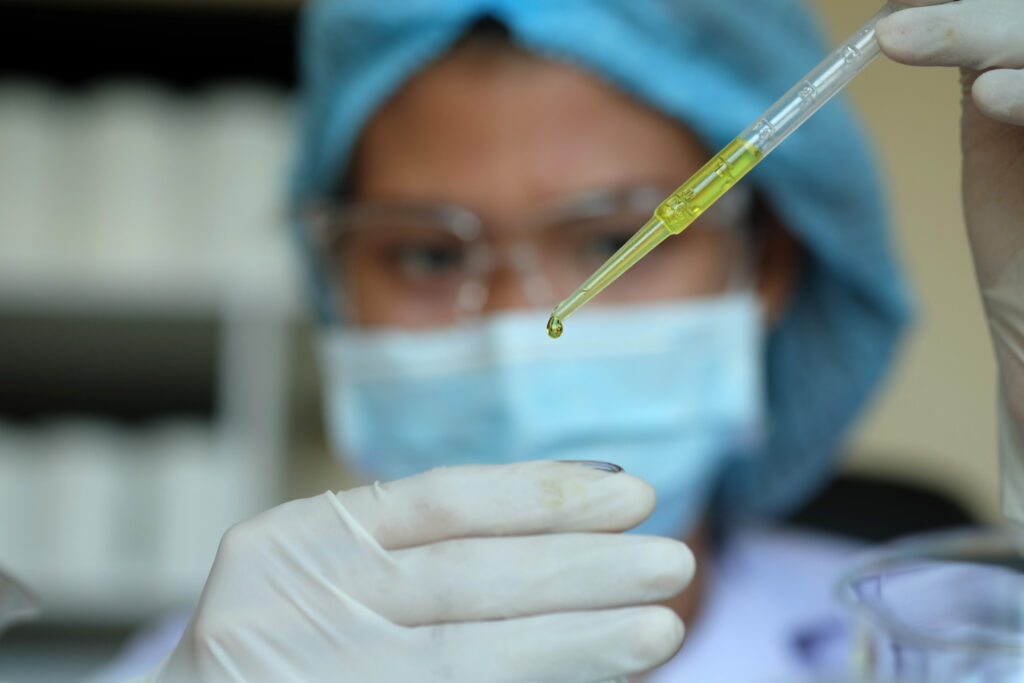
Nurse analyzing a drop of moisture
Uncategorized

Salmonella Outbreak in Georgia: What You Need to Know

A recent multistate Salmonella outbreak has put food safety back in the spotlight, including here in Georgia. Health officials are investigating illnesses linked to jalapeño peppers that were distributed to restaurants across the country. As of August 5, 345 people in 27 states had become sick, with 36 hospitalizations reported. Georgia is among the states with reported cases. The good news is that the affected peppers have been recalled. Still, knowing how Salmonella spreads and what symptoms to watch for can help you protect yourself and your family. What Is Salmonella? Salmonella outbreak in Georgia news can sound alarming, but Salmonella itself is a common type of bacteria that can cause a foodborne illness called salmonellosis. People can become infected by eating contaminated food or through contact with infected animals and their environments. Raw or undercooked foods, contaminated produce, and poor hand hygiene can all contribute to the spread of Salmonella. The current outbreak was linked to jalapeño peppers grown in Sinaloa, Mexico, and distributed by Coast Citrus Distributors. What Are the Symptoms? Salmonella symptoms usually begin within several hours to several days after infection. Common symptoms include: Most people recover within about a week without specific treatment. However, infections can become more serious, particularly in young children, older adults, and people with weakened immune systems. If diarrhea or vomiting is severe, dehydration develops, or symptoms are not improving, contact your healthcare provider. How Can You Protect Yourself? You don’t need to avoid fresh produce or restaurants because of this outbreak. Instead, focus on everyday food safety habits. Wash your hands with soap and water before preparing or eating food. Keep raw foods separate from ready-to-eat foods, clean food preparation surfaces regularly, and cook foods thoroughly. When an official recall is announced, check your refrigerator and pantry and follow the instructions for disposing of the affected product. It’s also important to remember that washing your hands and practicing good food safety helps prevent many types of foodborne illness, not just Salmonella. What Should You Do If You Feel Sick? If you develop diarrhea, fever, or stomach cramps after eating food that may have been contaminated, pay attention to how your symptoms progress. Drink plenty of fluids to help prevent dehydration and contact your healthcare provider if symptoms become severe or you’re concerned about your condition. The current Salmonella outbreak in Georgia is a reminder that foodborne illnesses can happen even when food looks, smells, and tastes completely normal. Staying informed about recalls and practicing basic food safety can go a long way toward protecting your household. Protect Your Health You don’t have to stop enjoying your favorite foods because of a foodborne illness outbreak. A few sensible precautions can help reduce your risk. If you or a family member develops persistent diarrhea, fever, stomach pain, or other concerning symptoms, First Lithonia Medical Center can help you determine whether you need medical evaluation and what steps to take next. If you’re feeling any symptoms, click on this link below: http://firstlithonia.com/book

Woman with measles
Uncategorized

Measles in Atlanta: What Adults Should Know

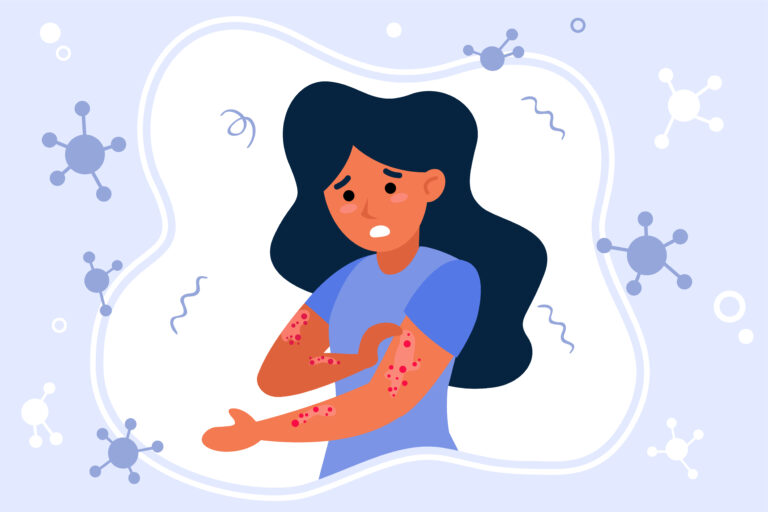
Measles may sound like a childhood illness, but adults can get it too. In May 2026, the Georgia Department of Public Health confirmed three measles cases in a metro Atlanta family. The family was unvaccinated and had traveled internationally. For people living in the Lithonia and greater Atlanta area, this is a good reminder to know your vaccination history and understand what measles can look like. Why Measles Can Spread So Easily Measles is one of the most contagious diseases known. It spreads through the air when an infected person breathes, coughs, or sneezes. The virus can remain in the air or on surfaces for up to two hours after an infected person has left the area. A person with measles can also spread the virus before the rash appears. According to the CDC, people are generally contagious from four days before the rash starts through four days afterward. This means someone may not realize they have measles when they are already capable of spreading it. What Does Measles Feel Like? Measles usually does not begin with the rash that most people associate with the illness. Early symptoms can look more like a common respiratory infection. You may develop: A few days later, a red rash usually begins on the face or head and spreads downward across the body. Symptoms generally begin 7 to 14 days after exposure. Because the early symptoms can resemble other illnesses, knowing whether you have been vaccinated becomes especially important. How Do You Know If You’re Protected? The best protection against measles is the measles, mumps, and rubella (MMR) vaccine. For most adults, having documentation of vaccination or other evidence of immunity can help determine whether they are protected. If you are unsure whether you received the MMR vaccine, don’t assume that you are either protected or unprotected. Your healthcare provider can review your history and discuss whether vaccination or testing is appropriate for you. Adults should also pay attention before international travel, since measles continues to circulate in many parts of the world. The CDC recommends that eligible travelers have two MMR doses before traveling internationally. What Should You Do If You Think You Were Exposed? If you believe you have been exposed to measles, contact a healthcare provider promptly and explain the possible exposure before arriving at a medical office. This allows the healthcare team to take precautions to protect other patients and staff. If you develop a fever, cough, runny nose, red eyes, or a rash after a possible exposure, seek medical advice promptly. People who have measles should avoid contact with others while they are contagious. Know Where You Stand The recent cases in metro Atlanta are a useful reminder that measles is not only something to think about when your child needs a school vaccine. Adults can become infected too, particularly when they do not have evidence of immunity. To book an appointment with us for a measles shot, click on this link: https://firstlithonia.com/book Knowing your vaccination history, recognizing the early symptoms, and talking with your healthcare provider when you are unsure can help you make informed decisions about your health. If you have questions about your MMR vaccination history or possible measles exposure, First Lithonia Medical Center can help you understand your next steps.

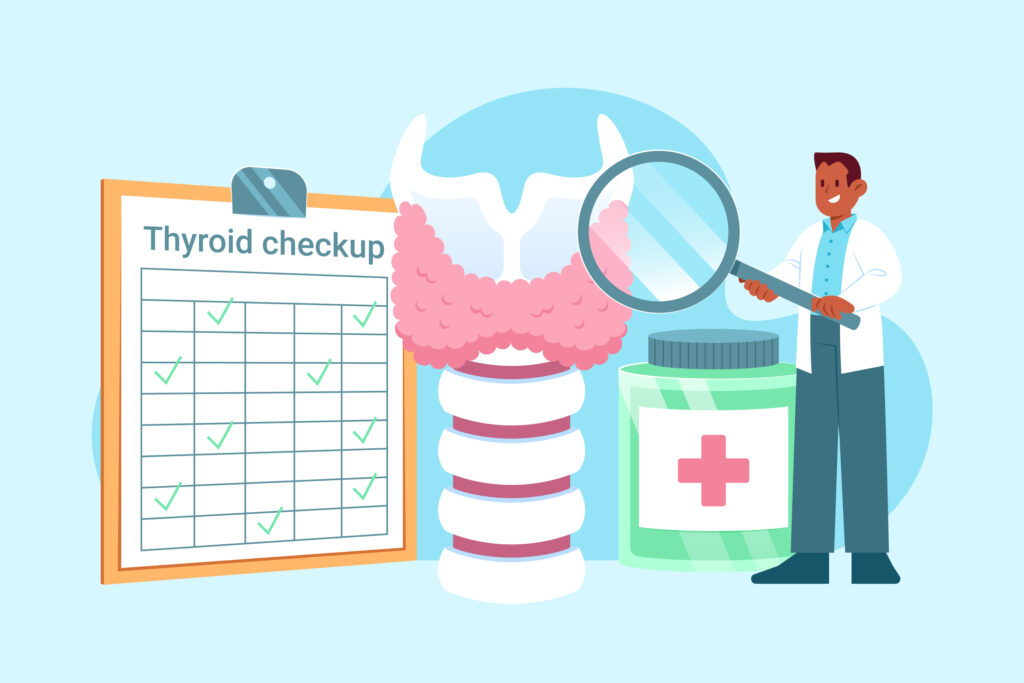
Hand drawn flat design thyroid illustration
Uncategorized

Thyroid Disease: Why It’s Often Missed and What You Should Know

Most people don’t spend much time thinking about their thyroid, and that’s understandable. It’s a small, butterfly-shaped gland in the front of your neck. Even though it’s small, it plays a big role in keeping your body working properly. Your thyroid helps control your metabolism, heart rate, body temperature, and energy levels. When it isn’t working as it should, the changes can happen so slowly that they’re easy to overlook. That’s one reason thyroid disease often goes undiagnosed for months or even years. What Does the Thyroid Do? The thyroid produces hormones that tell your body how quickly to use energy. When it makes too little hormone, many of your body’s functions begin to slow down. When it makes too much, they speed up. Because thyroid hormones affect so many parts of the body, changes can show up in different ways from one person to another. Some people notice only one symptom, while others experience several over time. Common Signs You Shouldn’t Ignore The symptoms of thyroid disease can look like everyday problems, which is why many people don’t connect them to their thyroid. Some common signs include: These symptoms can also be caused by other medical conditions, so it’s important to talk with your healthcare provider rather than trying to diagnose yourself. Who Is More Likely to Develop Thyroid Problems? Anyone can develop thyroid problems, but some people have a higher risk than others. Your risk may be higher if you: Women are also more likely than men to develop thyroid disease, although men can certainly be affected as well. When Should You See Your Healthcare Provider? If you’ve noticed ongoing symptoms that don’t seem to improve, it’s worth having a conversation with your healthcare provider. A simple medical evaluation and, if needed, blood tests can help determine whether your thyroid is working normally or whether another condition may be responsible. Click on this to book an appointment with us if you have noticed these symptoms: https://firstlithonia.com/book-same-day/ Getting answers early can make a meaningful difference in how you feel and help prevent symptoms from becoming more disruptive over time. Taking Charge of Your Health Many health conditions develop quietly, and thyroid problems are no exception. Paying attention to changes in your body and keeping up with routine healthcare visits can help identify concerns before they begin affecting your daily life. If you have questions about your symptoms or think thyroid disease could be affecting your health, the team at First Lithonia Medical Center is here to help you find answers and create a plan that’s right for you.

Uncategorized

West Nile Virus: What Families Should Know This Summer

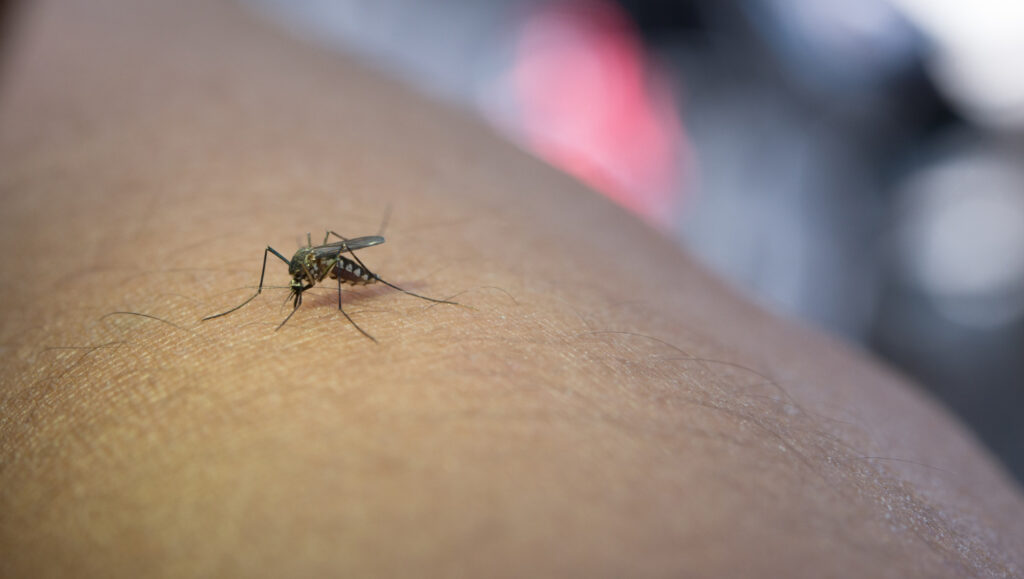
Summer is a great time to enjoy parks, backyard barbecues, and evenings outdoors. It is also the season when mosquitoes are most active. While most mosquito bites are only annoying, some mosquitoes can carry West Nile virus, making it important to know how to protect yourself and your family. The good news is that most people who become infected never develop symptoms. Still, understanding the risks can help you stay safe throughout the warmer months. How Does West Nile Virus Spread? West Nile virus is spread through the bite of an infected mosquito. Mosquitoes become infected after feeding on infected birds and can then pass the virus to people. The virus does not spread through casual contact, such as shaking hands, hugging, or sharing food. Mosquito activity is usually highest during the summer and early fall. In Georgia, health officials monitor mosquito populations each year because infected mosquitoes are found in the state regularly. Recent surveillance has detected infected mosquitoes in the Atlanta area, reminding residents to take simple precautions during mosquito season. What Symptoms Should You Watch For? About 8 out of 10 people infected with the virus never feel sick. Others may develop mild symptoms a few days after being bitten. These symptoms can include: A small number of people, especially adults over 60 or those with weakened immune systems, can develop a serious illness affecting the brain or nervous system. Seek medical care right away if you or a loved one experiences confusion, severe headache, neck stiffness, muscle weakness, or trouble staying awake. Simple Ways to Protect Yourself The best way to prevent West Nile virus is to avoid mosquito bites. You can lower your risk by: When Should You See Your Healthcare Provider? Most mosquito bites do not require medical attention. However, if flu-like symptoms develop after mosquito exposure or symptoms become severe, it is important to be evaluated by a healthcare provider. If you’re experiencing any of these symptoms, please book an appointment with us: https://firstlithonia.com/book-same-day/ There is no specific antiviral treatment for West Nile virus, but early medical care can help manage symptoms, identify complications, and determine whether another illness may be causing your symptoms. Stay Safe This Summer Enjoying summer does not mean staying indoors. A few simple steps can greatly reduce your risk of mosquito bites while allowing you to continue enjoying outdoor activities with family and friends. If you develop persistent symptoms after mosquito bites or have concerns about your health, the team at First Lithonia Medical Center is here to help you stay healthy throughout the season.

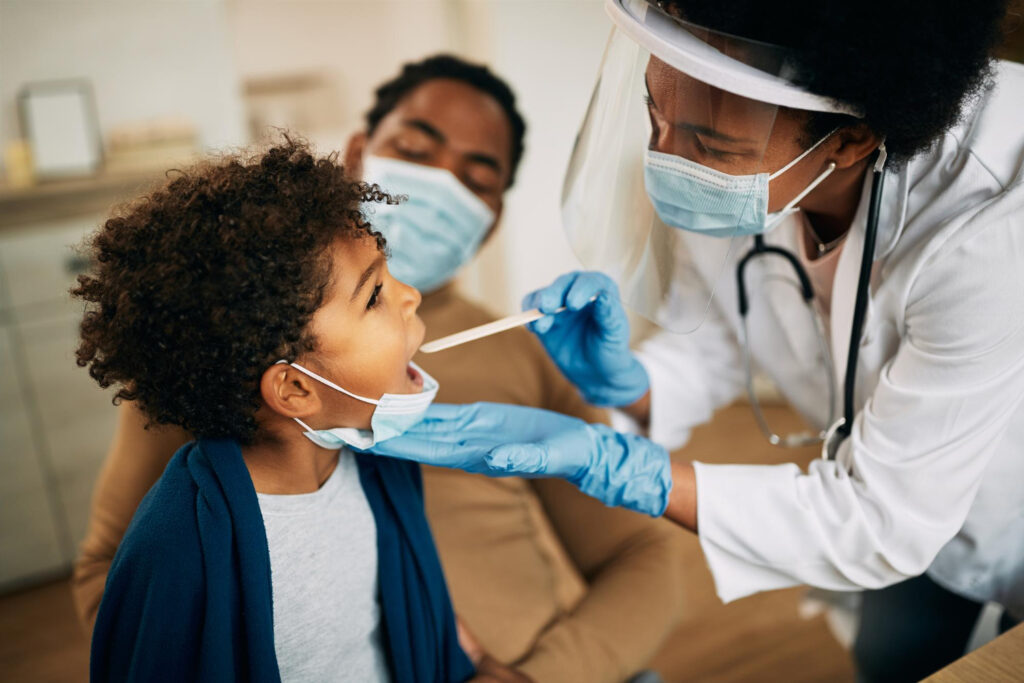
A child getting his teeth examined by a doctor
Uncategorized

Is Your Child Ready for School? What to Expect at a Wellness Exam

August is close, and if your child has not had a checkup this year, now is the time to book one. A wellness exam in Lithonia covers far more than most parents expect, and getting it done early means you go into the school year knowing your child is ready, not hoping they are. What the Visit Actually Covers A wellness exam is a full checkup, not a quick once-over. During the visit your child’s doctor will: Check growth and physical health. Height, weight, and blood pressure are tracked and compared to previous visits to make sure your child is developing on track. Screen for vision and hearing problems. These are two of the most commonly missed issues in school-age children. A child who cannot see the board clearly or hear the teacher properly often gets labeled inattentive before anyone realizes there is a physical reason behind it. Review mental and emotional health. Anxiety, mood changes, sleep issues, and social stress have become more common in children and teens. The wellness visit is a good time to bring up anything you have noticed at home. Complete school forms. If your child’s school requires paperwork signed by a doctor, bring it to the visit, and it gets handled in the same appointment. Georgia School Requirements to Know Georgia law requires every child from daycare through 12th grade to have a Certificate of Immunization, Form 3231, on file before attending school. Beyond that, there are grade-specific requirements: One appointment takes care of all of it. Why Booking Early Matters Scheduling two to three weeks before the first day gives you time to follow up on anything that comes up, whether that is a missing vaccination or a referral for a specialist. Waiting until the week before school means competing with every other family who also waited. Book your child’s wellness exam at First Lithonia Medical Center before the August rush. firstlithonia.com/book-same-day/

The man is feeling ill with his medications on the table
Uncategorized

Cyclospora Infection: What You Need to Know to Stay Healthy This Summer

As the weather gets warmer, many people spend more time enjoying fresh fruits, vegetables, and outdoor gatherings. While these are all part of a healthy lifestyle, summer is also a time when certain foodborne illnesses become more common. One of them is the Cyclospora infection, a parasitic illness that can cause prolonged digestive symptoms if left untreated. Knowing how this infection spreads and what to look out for can help you protect yourself and your family. What Is the Cyclospora Infection? Cyclospora infection is caused by a microscopic parasite called Cyclospora cayetanensis. People usually become infected after eating fresh produce or drinking water contaminated with the parasite. Unlike many foodborne illnesses, it does not spread directly from one person to another because the parasite needs time in the environment before it becomes infectious. Outbreaks have been linked to fresh herbs, leafy greens, berries, and other fresh produce, particularly during the warmer months. Common Symptoms to Watch For Symptoms typically appear about one week after exposure and can last for several days or even weeks without treatment. Common symptoms include: Because these symptoms can resemble other stomach illnesses, it is important to seek medical evaluation if they persist or become severe. How to Reduce Your Risk Although it is not always possible to prevent foodborne illness completely, a few simple habits can lower your risk. Wash fresh fruits and vegetables thoroughly before eating them, even if they appear clean. Store produce properly, practice good hand hygiene before preparing meals, and drink safe, clean water when traveling. Being mindful of food safety is especially important during the summer, when fresh produce is widely consumed and outdoor dining is more common. When to See Your Healthcare Provider Most people recover well with appropriate treatment, but ongoing diarrhea can lead to dehydration and make daily activities difficult. If digestive symptoms last more than a few days, become severe, or return after briefly improving, don’t ignore them. Your healthcare provider can determine whether Cyclospora infection or another condition may be responsible and recommend the right treatment. To book an appointment to check whether this is the case, click on this link: firstlithonia.com/book Protect Your Health This Season Summer should be a time to enjoy family gatherings, vacations, and fresh seasonal foods without unnecessary health concerns. Understanding the Cyclospora infection and practicing safe food habits can help reduce your risk. If you have persistent digestive symptoms or concerns about your health, the team at First Lithonia Medical Center is here to help. Early evaluation can provide answers, appropriate treatment, and peace of mind so you can get back to feeling your best.

Uncategorized

Why Your Annual Physical Is More Important Than You Think

Preventive care is the backbone of long term health, especially for adults and seniors in Lithonia and Austell. Yet many people still wait until symptoms appear before visiting a doctor. Unfortunately, conditions like high blood pressure, diabetes, high cholesterol, anemia, and thyroid dysfunction often develop quietly for months or years before showing noticeable signs. Annual physicals allow your physician to detect these issues early, track vital changes, and create a personalized health plan that prevents complications. In this comprehensive guide, we break down why yearly checkups matter and what to expect during your visit to our primary care clinics. The Hidden Conditions an Annual Physical Can Detect Many of the most serious chronic illnesses begin silently. During a routine exam, we screen for the following. High Blood Pressure Hypertension affects millions of adults, and most don’t feel symptoms until it’s dangerously high. A quick blood pressure reading may reveal early changes you may not notice at home. Prediabetes and Diabetes A simple fasting glucose or A1C test can detect metabolic issues early. Early detection prevents kidney disease, nerve damage, and vision loss. High Cholesterol High LDL cholesterol damages arteries quietly over years. Annual labs help track your cardiovascular risk and guide lifestyle or medication decisions. Thyroid Dysfunction Fatigue, weight changes, and mood shifts can be caused by thyroid abnormalities. Without lab testing, these issues often go undiagnosed. Anemia and Nutritional Deficiencies Vitamin D deficiency, iron deficiency anemia, and B12 deficiency are common in Georgia. They cause fatigue, weakness, and cognitive difficulty but are easily treatable once identified. What Happens During an Annual Physical Your physical exam is tailored to your age, health history, and risk factors. A complete annual visit may include the following. Vital signs including blood pressure, temperature, pulse, and oxygen levelWeight, height, and BMI assessmentVision or hearing screening when neededComprehensive physical examLab work including cholesterol, glucose, blood count, liver and kidney functionMedication reviewMental health screeningLifestyle and preventive counseling For adults over 40, we may recommend additional screenings such as cancer screening, cardiac evaluation, or hormone assessment. Why Annual Physicals Matter for Long Term Health They allow early intervention Catching problems early means easier treatment and better outcomes. They help track long term changes We compare your results year to year to identify trends in blood pressure, cholesterol, weight, and lab values. They strengthen your doctor patient relationship Regular visits help us understand your habits, preferences, and family history, allowing more personalized and accurate care. Annual Physicals for Adults vs Seniors Older adults often need additional preventive care, including the following. Bone density examsFall risk evaluationsMemory screeningMedication safety checksVaccinations for pneumonia and shingles Our clinic provides age appropriate care with a compassionate and educational approach. How Our Lithonia and Austell Clinics Make It Easy We understand our patients are busy professionals, parents, and caregivers. That’s why we offer fast scheduling, short wait times, affordable visits for the uninsured, same week appointments, and comprehensive labs onsite. When Should You Book Your Next Annual Physical If it has been 12 months or more since your last comprehensive checkup, now is the time. Call to Action Book your annual physical today at our Lithonia or Austell location and stay one step ahead of hidden health problems

Stressed man looking at his laptop
Uncategorized

How Stress Impacts Chronic Conditions

IntroductionStress is a normal part of life, but when it becomes constant, it can take a serious toll on the body. Chronic stress doesn’t just affect your mood or sleep; it can also worsen long-term health issues such as diabetes, heart disease, and hypertension. Understanding how stress influences chronic conditions is key to managing both your mind and body for better overall health. 1. The Link Between Stress and the BodyWhen you’re stressed, your body releases hormones like cortisol and adrenaline. In short bursts, these help you respond to challenges. However, constant exposure to these hormones can lead to inflammation, increased blood pressure, and a weakened immune system. Over time, this can disrupt normal body functions and contribute to the progression of chronic diseases. 2. Stress and Heart DiseaseHeart health is particularly sensitive to stress. Ongoing tension can cause your heart rate and blood pressure to stay high, putting strain on your cardiovascular system. People dealing with chronic stress are also more likely to develop unhealthy coping habits like overeating, smoking, or skipping exercise, all of which raise heart disease risk. 3. Stress and Diabetes ManagementFor people with diabetes, stress can make blood sugar levels harder to control. Stress hormones cause glucose to rise, leading to spikes that can worsen the condition. It can also make daily management, like tracking meals or medication, more difficult. Learning relaxation techniques can help reduce these fluctuations and support stable blood sugar levels. 4. Impact on the Immune SystemChronic stress weakens the body’s ability to fight off illness. It reduces white blood cell activity, making you more prone to infections and slower to heal. For individuals living with chronic conditions, a weakened immune system can lead to more frequent flare-ups and longer recovery times. 5. Managing Stress for Better HealthWhile stress can’t always be avoided, it can be managed. Regular exercise, good sleep, and a balanced diet all help lower stress levels naturally. Deep breathing, meditation, and talking with a trusted friend or counselor can also ease the mental load. Regular checkups with your primary care provider help monitor your health and guide you toward lasting balance. ConclusionManaging stress is just as important as managing your physical health. By recognizing how stress affects chronic conditions, you can take small, consistent steps toward a calmer, healthier life. For personalized care and support, visit First Lithonia Medical Center.

Uncategorized

Early Detection Saves Lives: Cancer Awareness in Focus.

Cancer continues to be one of the world’s most formidable health challenges, but early detection can be everything. Many cancers are treatable when caught early, and the survival rates jump significantly. Knowing the value of screenings, checkups, and awareness can save countless lives. 1. The Power of Routine Screenings Regular screenings can detect cancer well before you feel symptoms. Screenings such as mammograms, Pap smears, colonoscopies, and prostate exams could detect early warning signs that are more likely to escape notice. Early diagnosis leads not only to better treatment options but also to the best possible chance of achieving a complete cure and quality of life. 2. Recognizing Early Warning Signs Sometimes noticing small, niggling changes in your body can save your life. Unexplained weight loss, fatigue, lumps, or changes in skin and bowel habits could indicate something serious. Do not ignore these signs or hope they will go away; the sooner you get checked, the more time can be gained for treatment. 3. Regular checkups matter. Many people only visit the doctor when they feel unwell, but preventive visits are just as important. Primary care checkups give physicians the opportunity to assess risk factors, order relevant tests, and guide lifestyle changes that lower cancer risk. Regular appointments create a habit of proactive health management. 4. Lifestyle Choices That Support Prevention While not all cancers are preventable, certain habits can reduce risk. Eating a diet rich in fruits and vegetables, staying active, avoiding tobacco, and drinking alcohol in moderation all strengthen the body’s defense system. Pairing these habits with regular screenings creates a powerful combination for prevention and early detection. 5. Breaking the Fear Around Testing Many avoid screenings due to fear of discomfort, results, or costs. However, most tests are quick, often covered by insurance, and far less difficult than dealing with advanced illness. Encouraging open conversations about screenings helps normalize preventive care and reduces the stigma around getting tested. Conclusion Cancer awareness isn’t just about recognizing symptoms; it’s about empowering people to take action before it’s too late. Early detection provides more options, easier treatments, and better outcomes. At First Lithonia Medical Center, we encourage everyone to schedule their screenings, stay informed, and prioritize their health. When it comes to cancer, every moment counts. Regular checkups and screenings can truly make the difference between early treatment and late discovery. For trusted care and compassionate support, visit First Lithonia Medical Center, because early action saves lives.

Scroll to Top