firstlithonia

Health

Fatigue & Energy level, Health, Primary care, Thyroid Health

When Fatigue Isn’t Just Stress…Could It Be Anemia or Thyroid Diseases

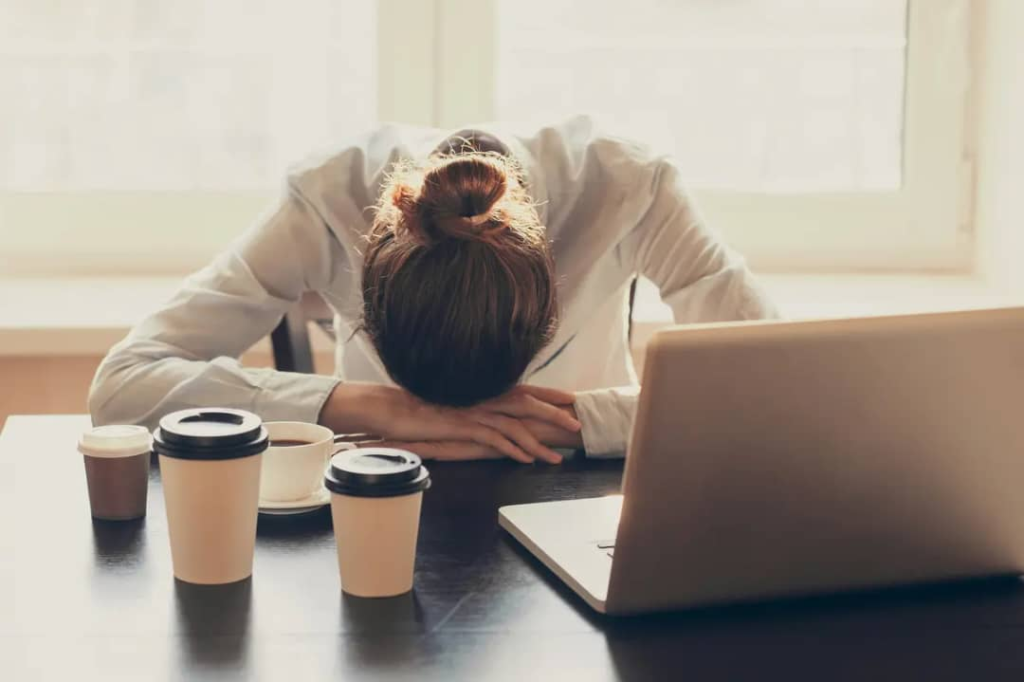
Fatigue is one of the most common complaints we see at our primary care clinics in Lithonia and Austell. While stress, lack of sleep, and lifestyle factors do play a role, persistent fatigue can also signal underlying medical conditions that require proper diagnosis and treatment. If you find yourself feeling tired even after sleeping well or struggling to complete everyday tasks, it may be time for a deeper evaluation. This article explains the most common medical causes of chronic fatigue including anemia, thyroid dysfunction, and vitamin deficiencies and how early testing can help you regain your energy and live a healthier, more active life. What Makes Fatigue Different From “Normal Tiredness”? True medical fatigue is persistent, doesn’t improve with rest, affects focus and daily productivity, and may be accompanied by weakness or shortness of breath. Anemia…. A Top Cause of Fatigue in Adults Anemia occurs when your blood cannot carry enough oxygen. This often results from iron deficiency, chronic illness, kidney disease, vitamin B12 deficiency, or heavy menstrual bleeding. Signs of anemia include:FatiguePale skinDizzinessHair lossShortness of breathFeeling cold frequently We diagnose anemia with a simple blood test (CBC). Thyroid Disorders…. Overactive or Underactive Thyroid The thyroid regulates metabolism. Both overactive (hyperthyroidism) and underactive (hypothyroidism) thyroid cause fatigue, but in different ways. Hypothyroidism symptoms:Weight gainDry skinConstipationCold intoleranceSlow thinking Hyperthyroidism symptoms:AnxietyRapid heartbeatHeat intoleranceWeight lossDifficulty sleeping Thyroid levels are checked using TSH, T3, and T4 labs. Vitamin Deficiencies… Especially B12 and Vitamin D Vitamin D deficiency is extremely common in Georgia due to indoor lifestyles. Low B12 affects nerve and brain function. Symptoms include:Low energyTingling in hands or feetMood changesMemory issues We test and treat both deficiencies. Other Medical Causes We Screen For Sleep apneaKidney diseaseChronic infectionsDiabetesDepression or anxietyAutoimmune diseaseHeart disease How Our Clinic Evaluates Chronic Fatigue Your visit may include:CBC (anemia)Thyroid panelMetabolic panelVitamin D and B12 levelsBlood sugar screeningReview of lifestyle factorsSleep health assessment Treatment Options Depending on the cause, we may recommend:Iron supplementationB12 injectionsThyroid medicationVitamin D therapyDietary changesSleep evaluationStress management strategies. Why You Shouldn’t Ignore Persistent Fatigue Fatigue can signal early disease…and early treatment prevents long-term complications. Many patients feel dramatically better once we identify the root cause. Call to Action If fatigue is affecting your daily life, schedule a comprehensive lab evaluation at our clinic today.


Health

High Blood Pressure Symptoms & Screening

High blood pressure rarely causes symptoms but leads to heart disease and stroke. Learn the subtle signs and when to get screened. 5 Subtle Signs Your Blood Pressure Might Be Too High High blood pressure (hypertension) is one of the most common and most dangerous health issues affecting adults in Georgia. According to CDC data, millions of adults are unaware they have elevated blood pressure because it often causes no noticeable symptoms. Yet uncontrolled hypertension leads to heart attack, stroke, kidney failure, and vision loss. That is why routine screening is essential. Here are five subtle signs that your blood pressure may be higher than normal. 1. Persistent Headaches Not all headaches are caused by hypertension, but frequent or throbbing headaches, especially in the morning, may signal elevated pressure in the blood vessels. 2. Blurred Vision or Vision Disturbances High blood pressure can damage tiny blood vessels in the eyes. If you notice sudden blurriness, floaters, or difficulty focusing, schedule a screening immediately. 3. Fatigue and Confusion When blood pressure is uncontrolled, your brain receives inconsistent blood flow. This may cause unexplained tiredness, difficulty concentrating, or foggy thinking. 4. Shortness of Breath Shortness of breath may indicate your heart is working harder than it should. Hypertension can strain the heart muscle, leading to reduced efficiency. 5. Nosebleeds (Less Common) Although not a common symptom, frequent or unexplained nosebleeds can occasionally occur with severely elevated blood pressure. Why Hypertension Is Called the Silent Killer Most patients experience no symptoms at all, which makes routine blood pressure checks essential. Early detection is the best way to prevent complications. Risk Factors to Know You are more likely to develop hypertension if you: Are over 40 Have a family history of high blood pressure Are overweight Have high salt intake Live a sedentary lifestyle Experience high stress Have kidney disease Are African American, a population with a higher genetic predisposition How We Screen and Diagnose High Blood Pressure At our Lithonia and Austell clinics, blood pressure checks take only a few minutes. We evaluate: Resting blood pressure Pulse Risk factors Lifestyle contributors If needed, we recommend home monitoring for 1–2 weeks to confirm diagnosis. Treatment Options We Provide Lifestyle modification Diet counseling Weight management Medication when appropriate Regular follow-ups Lab work to evaluate kidney impact Our goal is to keep you healthy without overmedicating. Call-To-Action Visit our Lithonia clinic for a fast blood pressure screening. No symptoms required. Your heart will thank you.

Health

Four sun safety habits for the summer!

Summer is a season of fun, but it also brings increased exposure to the sun’s ultraviolet (UV) rays. Whether you’re hitting the beach or walking the dog, the risk of skin damage rises dramatically. Fortunately, practicing simple sun safety habits can go a long way in protecting your health. 1. Apply Sunscreen Daily One of the most effective sun safety habits is applying a broad-spectrum sunscreen with at least SPF 30 every morning. This protects against both UVA and UVB rays. Reapply every two hours, or more frequently if you’re sweating or swimming. Don’t forget often-missed areas like your ears, the tops of your feet, and the back of your neck. 2. Wear Protective Clothing Clothing is your first barrier against the sun. Long-sleeved shirts, wide-brimmed hats, and sunglasses with UV protection are all part of smart sun safety. Lightweight and tightly woven fabrics offer the best coverage while keeping you cool. Some clothing is even specially designed with built-in UV protection for added peace of mind. 3. Avoid the Midday Sun UV rays are strongest between 10 a.m. and 4 p.m. If possible, plan your outdoor activities in the early morning or late afternoon. If you must be outside during peak hours, seek shade under trees, umbrellas, or covered areas. This small adjustment in your routine can greatly improve your long-term sun safety. 4. Protect Your Skin Even on Cloudy Days Many people skip sun protection when it’s overcast, but up to 80% of UV rays can still penetrate clouds. That means you’re still at risk of sunburn, even without direct sunlight. Make sunscreen and protective gear non-negotiables, no matter the weather. Stay Safe and Enjoy the Sun Responsibly Summer doesn’t have to come with a sunburn. By incorporating these four sun safety habits into your daily routine, you’ll reduce your risk of skin cancer, premature aging, and painful burns without missing out on the joys of the season. If you’re looking for primary care physicians in Atlanta, visit First Lithonia Medical Center. We’re here to support your year-round wellness, from sunny days to checkup days. To learn about our same-day appointment services, click on this link: Same Day Appointments – First Lithonia Medical Center.

Health

Sunburns Aren’t Just Annoying, They’re Dangerous.

We’ve all felt that sting after a long day in the sun: red skin, a little peeling, maybe some tenderness. But sunburns aren’t just temporary annoyances. They’re signs of real skin damage that can have serious long-term consequences. Understanding the dangers of sunburn can help protect your skin, your health, and your future. What Is a Sunburn, Really? A sunburn is your body’s inflammatory response to overexposure to ultraviolet (UV) radiation from the sun. When UV rays penetrate your skin, they damage the DNA in skin cells. This damage can trigger mutations that, over time, increase your risk for skin cancer. Even one blistering sunburn during childhood can double a person’s chance of developing melanoma later in life. The Long-Term Risks You Can’t See Sunburns might fade in days, but the damage can linger for years. Chronic sun exposure and repeated burns accelerate skin aging, leading to wrinkles, discoloration, and loss of elasticity. More importantly, repeated UV exposure raises your risk of developing basal cell carcinoma, squamous cell carcinoma, and melanoma, the deadliest form of skin cancer. Everyone Is at Risk Contrary to popular belief, people with darker skin tones are not immune to sunburn or skin cancer. While melanin provides some natural protection, it’s not enough. Everyone, regardless of complexion, needs sun protection. That includes using sunscreen with at least SPF 30, wearing protective clothing, and avoiding direct sun during peak hours (10 a.m. to 4 p.m.). How to Prevent and Treat Sunburns Prevention is your best defense. Apply sunscreen generously and reapply every two hours, especially after swimming or sweating. Wear wide-brimmed hats and sunglasses, and seek shade when possible. If you do get sunburned, cool your skin with cold compresses, stay hydrated, and avoid further sun exposure until healed. For severe burns with blistering or fever, seek medical care promptly. Protect Your Skin, Protect Your Health Sunburns are more than a summer nuisance; they’re warning signs. Treat them seriously. By being proactive, you reduce your cancer risk, maintain youthful skin, and stay healthy year-round. To learn about our same-day appointment services, click on this link: Same Day Appointments – First Lithonia Medical Center. If you’re looking for primary care physicians in Atlanta, visit First Lithonia Medical Center. We’re here to help you stay safe, informed, and protected every season of the year.

Health, Uncategorized

When to Choose Urgent Care: Quick, Reliable Help When You Need It Most

Life doesn’t always follow a 9-to-5 schedule. Accidents, sudden illnesses, and unexpected health concerns can happen at any time, and when they do, urgent care can be a lifesaver. At First Lithonia Medical Center, we understand the importance of immediate attention without the long wait or high cost of an emergency room visit. 1. What Is Urgent Care? Urgent care is a healthcare service designed for non-life-threatening conditions that still require prompt attention. It fills the gap between routine primary care and emergency room visits. Think: minor cuts, sprains, flu symptoms, ear infections, or unexplained pain that can’t wait for an appointment. 2. When Should You Visit Urgent Care? You should choose urgent care when you need to be seen quickly but your condition isn’t severe enough for the ER. If you have a sore throat, fever, minor burn, or minor injury, urgent care is often the best option, especially outside normal office hours or on weekends. 3. Benefits of Choosing Urgent Care Urgent care centers offer shorter wait times and lower costs compared to the emergency room. They’re also convenient for patients who can’t get a same-day appointment with their regular doctor. At First Lithonia Medical Center, we accept walk-ins and provide compassionate, timely care to help you feel better fast. 4. What to Expect During Your Visit When you arrive at our urgent care clinic, you’ll be seen by experienced medical professionals who can diagnose and treat a wide range of conditions. We also offer lab tests, X-rays, and prescriptions if needed, all under one roof. Don’t Wait, Get the Care You Deserve When something doesn’t feel right and you need quick attention, don’t wait or push it off. Urgent care is here to help when your health can’t wait for “later.” At First Lithonia Medical Center, we’re open Monday through Saturday and ready to treat you with skill, compassion, and urgency. Walk in or call today, your health is our priority.

Health, Uncategorized

Five health tips for December

As the year winds down, December is a season of celebration, family gatherings, and colder weather. Yes, it is a joyful season, but it’s also a time when health often takes a backseat. By trying out a few healthy habits this December, you can enjoy the season and stay healthy! Here are five habits you should try this December. We know how tempting it can be to skip working out and relax, but staying active is vital for your health. Consider home workouts, yoga, or even a quick dance session. You should aim for 30 minutes of movement a day. This will help manage stress and maintain your energy throughout the holiday season. Despite temperatures being lower than normal, your body still needs water. Staying hydrated boosts your immune system, supports digestion, and prevents winter dryness. Make sure you drink water throughout the day, and consider warm, hydrating beverages like herbal teas for a seasonal twist! Holiday treats are part of the fun, but balancing the deserved snacks and treats with nutrient-rich meals is key to staying healthy. Eat plenty of fruits, vegetables, and lean proteins to make sure you stay energized and healthy. Remember, moderation is your friend! Because it’s the holiday season, sleep often takes a hit during this time. However, if you get 7-8 hours of quality rest every day, your body will thank you for this. Creating a bedtime routine and sticking to it is key to ensuring you stay healthy this December! A good bedtime routine is no screens an hour before bed, and having a warm shower an hour before bed would help you have a healthy December. Be proactive! Book an end-of-year checkup with us at First Lithonia Medical Center to help you plan for 2025. Preventative checkups can help catch potential issues early and set you up for a healthy start to the new year. Click on this link to book an appointment with us. healow – Health and Online Wellness To read our last blogpost on how screen time affects your sleep, click on this link: How Screen Time Affects Your Sleep – First Lithonia Medical Center

Health, Uncategorized

How Screen Time Affects Your Sleep

In today’s digital world, technology plays a central role in daily life, but increased screen time, especially before bed, can severely impact sleep quality. Studies show that prolonged screen exposure affects the body’s natural sleep rhythms and disrupts the sleep-wake cycle, leaving many feeling less rested and even sleep-deprived. One of the main culprits is blue light emitted from devices like phones, tablets, and computers. Research from Harvard Medical School indicates that blue light suppresses melatonin, a hormone essential for sleep, more than any other type of light. In a study conducted by Harvard, participants exposed to blue light had melatonin levels decrease twice as much as those exposed to dim light, resulting in delayed sleep and reduced sleep quality. Over time, this disruption can lead to more significant health issues, such as sleep disorders and increased risk for depression. In addition to blue light, the mental stimulation from using technology before bed can make it harder to fall asleep. Engaging in social media, playing games, or watching videos keeps the brain active, tricking it into staying alert rather than winding down. So don’t let watching the warriors vs celtics game keep your brain active and stimulated! The National Sleep Foundation suggests avoiding screen time at least an hour before bed to allow the brain to transition into a restful state. A study from the University of California, Irvine, found that people who cut down screen time before bed reported improved sleep quality and greater alertness the next day. Chronic sleep deprivation from excessive screen time can negatively impact physical health, with connections to obesity, heart disease, and weakened immunity. The American Heart Association has linked poor sleep habits with a higher risk of cardiovascular issues, due in part to the increased stress levels associated with sleep disruption. Prioritizing screen-free time in the evening can help regulate circadian rhythms, supporting overall health and well-being. To improve sleep quality, consider reducing evening screen time, using “night mode” on devices to reduce blue light, or wearing blue light-blocking glasses. Adopting a regular pre-sleep routine with minimal screen exposure can support melatonin production and enhance sleep quality. In summary, cutting down screen time before bed can lead to better sleep and overall health. A well-rested mind and body are essential for productive days—so make reducing evening screen time part of your health routine today! To book an appointment with us, click on this link: healow – Health and Online Wellness. To read our last blogpost on why annual health checkups are important, click on this link: Why Annual Health Checkups Are Essential for Your Well-being – First Lithonia Medical Center.

Health

Improve Sleep Quality: Tips for a Restful Night

Getting quality sleep is essential for overall health, but many people struggle to achieve it. Poor sleep can affect your mood, cognitive function, and physical health, leading to issues like fatigue, weight gain, and increased risk of chronic diseases. If you’re looking to improve sleep quality, these tips can help you enjoy a more restful night and wake up feeling refreshed. One of the best ways to improve sleep quality is to go to bed and wake up at the same time every day, even on weekends. A consistent schedule helps regulate your body’s internal clock, making it easier to fall asleep and wake up naturally. 2. Design a Relaxing Bedtime Routine Establishing a calming pre-sleep routine can signal your body that it’s time to wind down. Activities such as reading, taking a warm bath, or practicing gentle stretches can promote relaxation. Avoid screens like phones, tablets, and TVs an hour before bed, as the blue light emitted can disrupt melatonin production and affect sleep. 3. Optimize Your Sleep Environment Creating a comfortable sleep environment is crucial in improving sleep quality. Ensure your bedroom is dark, quiet, and cool. Consider blackout curtains, white noise machines, or fans to enhance the atmosphere. Invest in a comfortable mattress and pillows that support your preferred sleeping position. 4. Watch Your Diet and Caffeine Intake What you eat and drink can impact your sleep. To improve sleep quality, avoid large meals, caffeine, and alcohol close to bedtime. Caffeine can stay in your system for hours and disrupt sleep, while alcohol can interfere with your sleep cycle, leading to restless nights. 5. Exercise Regularly but Not Too Late Physical activity during the day can help you fall asleep faster and enjoy deeper sleep. However, try to finish vigorous workouts at least a few hours before bedtime, as exercising too close to sleep can have the opposite effect and keep you awake. 6. Manage Stress and Relax Your Mind Stress and anxiety are major sleep disruptors. Practice relaxation techniques like deep breathing, meditation, or journaling to calm your mind before bed. These practices can help reduce worry and promote a sense of peace, making it easier to improve sleep quality. Conclusion Improving sleep quality is key to maintaining good health and overall well-being. By incorporating these tips into your daily routine, you can create a more restful sleep environment and wake up feeling rejuvenated. If sleep issues persist, schedule a check-up at First Lithonia Medical Center. Our primary care doctors in Atlanta can help identify underlying causes and provide personalized guidance to enhance your sleep. Prioritize sleep, and experience the positive impact on your health and daily life. To book an appointment with us, click on this link: healow – Health and Online Wellness. To read our last blogpost on tips to lower cholesterol, click on this link: Understanding Cholesterol and How to Lower It – First Lithonia Medical Center.

Health

Embracing Healthy Aging Month: Tips for Living Well at Any Age

Aging is a natural part of life, but how we age is often determined by the choices we make. September is recognized as Healthy Aging Month, a perfect time to focus on lifestyle habits that can help us age gracefully and maintain our physical and mental well-being. By prioritizing healthy habits, you can enjoy a vibrant, active life well into your golden years. Here are some tips for embracing healthy aging at every stage of life. Regular physical activity is one of the most important factors in healthy aging. It helps maintain mobility, strengthens muscles, improves cardiovascular health, and boosts mood. Whether it’s walking, swimming, or participating in a fitness class, staying active can reduce the risk of chronic diseases like heart disease, diabetes, and osteoporosis. Aim for at least 30 minutes of moderate exercise most days of the week to keep your body strong and healthy. 2. Eat a Balanced Diet Nutrition plays a crucial role in how well we age. A balanced diet rich in fruits, vegetables, whole grains, lean proteins, and healthy fats provides the nutrients needed to support overall health. Foods high in antioxidants, such as berries, leafy greens, and nuts, help fight inflammation and protect cells from damage. Healthy Aging Month is a great time to evaluate your diet and make small changes, like incorporating more fresh produce and reducing processed foods. 3. Prioritize Mental Health Mental health is just as important as physical health when it comes to aging well. Engaging in activities that challenge your mind, such as puzzles, reading, or learning a new skill, can keep your brain sharp. Social connections also play a vital role in mental health; stay connected with friends and family, join clubs, or volunteer in your community to maintain a sense of purpose and reduce the risk of depression. 4. Get Regular Health Screenings Preventive care is a cornerstone of healthy aging. Regular check-ups and health screenings can detect potential health issues early, allowing for timely intervention and better outcomes. Screenings for blood pressure, cholesterol, bone density, and certain cancers become increasingly important as we age. Take advantage of Healthy Aging Month to schedule any overdue health checks and ensure you are on track to maintain optimal health. Conclusion Healthy aging is about more than just adding years to your life; it’s about adding life to your years. By staying active, eating well, nurturing mental health, and keeping up with regular health screenings, you can enjoy a vibrant and fulfilling life at any age. During Healthy Aging Month, consider scheduling a check-up at First Lithonia Medical Center. Our team is here to support you in your journey to healthy aging, offering personalized care and guidance to help you live your best life. Don’t wait—book your appointment today by clicking on the link and take the first step towards a healthier future: healow – Health and Online Wellness. To read our last blogpost on the importance of preventive care, click on this link: The Importance of Preventive Care – First Lithonia Medical Center

Health

How to Improve Your Physical Fitness in Atlanta

Maintaining physical fitness in Atlanta can be challenging, especially with a busy schedule. However, prioritizing your physical health is crucial for overall well-being and productivity. Here are practical tips to help you stay active and improve your physical health in Atlanta, no matter how hectic your day might be. 1. Utilize Atlanta’s Outdoor Spaces Atlanta offers many outdoor spaces that make it easy to incorporate physical activity into your daily routine. Parks like Piedmont Park, the Atlanta BeltLine, and Chastain Park provide ideal settings for jogging, walking, or even quick workout sessions during lunch breaks. Take advantage of these spaces to squeeze in short but effective workouts, boosting your physical health in Atlanta without needing a gym membership. When time is limited, even small amounts of exercise can make a big difference. Consider 10-15 minute workouts such as bodyweight exercises, HIIT (high-intensity interval training), or quick yoga sessions. Apps like 7 Minute Workout or Nike Training Club offer guided workouts that are easy to follow and can be done anywhere, allowing you to improve your physical health in Atlanta without taking up too much of your day. 3. Embrace Active Commuting If your schedule is packed, turn your commute into an opportunity for exercise. Opt for walking or biking instead of driving when possible, or park further away from your destination to get in extra steps. Active commuting not only enhances your physical fitness but also reduces stress and helps you better manage your busy schedule. Planning is key to maintaining physical fitness in Atlanta. Set realistic fitness goals that fit into your schedule, such as exercising three times a week or walking 5,000 steps daily. Plan your workouts at the start of each week, and treat them like important meetings you can’t miss. Consistency is key to seeing progress and maintaining your physical health in Atlanta over time. Atlanta is home to various fitness classes and gyms offering flexible schedules, from early morning boot camps to late evening yoga sessions. Many local studios also offer virtual classes, allowing you to stay active without leaving home. Check out fitness resources in your area and find classes that work with your schedule. Improving your physical fitness in Atlanta is possible even with a busy lifestyle. By making small changes and utilizing the city’s resources, you can enhance your physical health and enjoy a more active, balanced life. Visit First Lithonia Medical Center to learn more about staying fit and healthy in Atlanta. To read our last blogpost on men’s health screenings, click on this link below: Male Health Screenings: A Decade-by-Decade Guide – First Lithonia Medical Center. To book an appointment with us, click on this link: healow – Health and Online Wellness

Scroll to Top